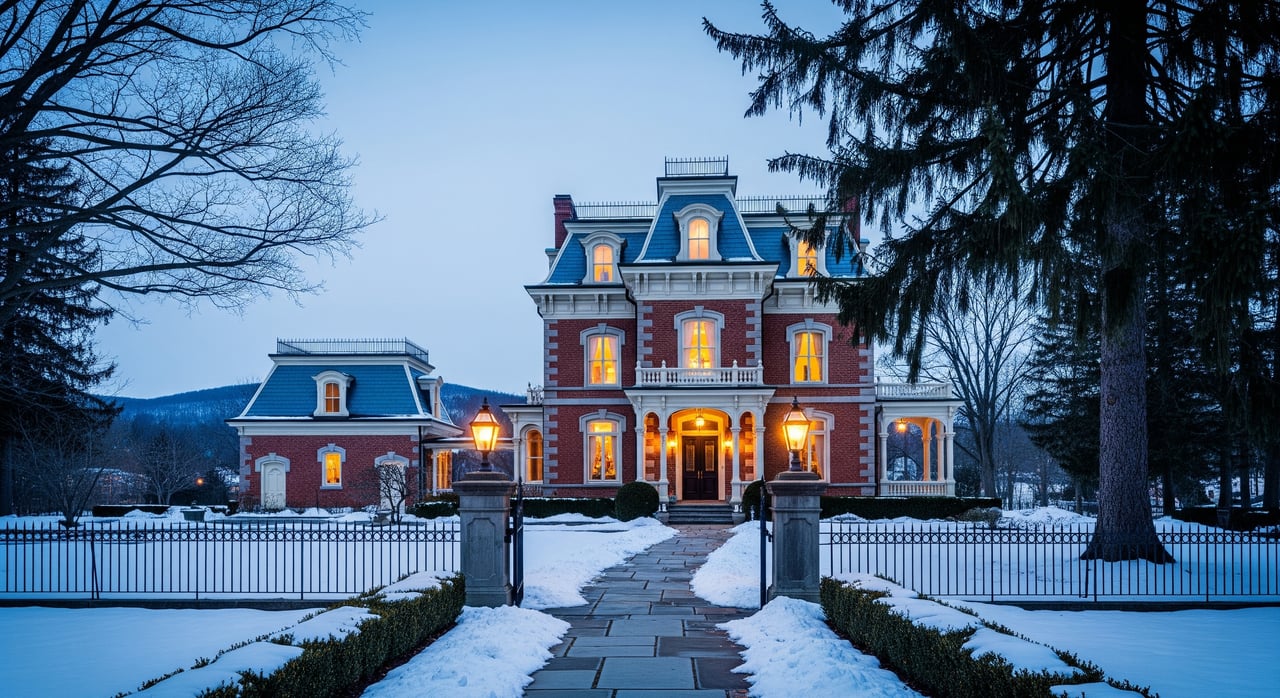
Thinking about listing your East Glenville home in winter? You are not alone. While many sellers wait for spring, motivated buyers shop year-round, and winter can give you an edge if you prepare well. In this guide, you will learn how to make access safe, stage for warmth, plan photos around short days, and answer the questions winter buyers always ask. Let’s dive in.
Why winter can work in Glenville
East Glenville sees real upstate New York winters with snow, freeze and thaw cycles, and shorter daylight hours. In late fall and winter, inventory usually drops, so you face less competition but also fewer casual shoppers. The buyers who do tour are often job-driven or relocating, which can mean stronger urgency. Your goal is to present a home that feels easy to live in during cold months.
Buyers pay close attention to winter systems and access. Expect questions about heating performance, insulation, roof condition, and snow removal. It helps to plan with local context in mind, including typical snowfall patterns, sidewalk clearing rules, and realistic winter timelines. If you are unsure where to start, check climate normals from the National Weather Service, your Town of Glenville sidewalk and parking rules, and recent winter sales trends from the local MLS.
Make exterior safe and accessible
A clear, safe approach sets the tone for the entire visit. Keep the driveway and walkways fully cleared and treated so buyers can park, walk in, and feel secure.
- Use a plow or snow-removal service, and have a reliable backup contact. Clear to the curb, define edges, and shovel a direct, wide path to the door.
- Choose de-icers with intention:
- Rock salt is affordable and works near freezing, but it can harm concrete and plants.
- Calcium chloride works in lower temperatures and acts fast, though it can be harsher on landscaping.
- Sand or grit adds traction without melting and is helpful on steep or icy spots.
- “Pet-safe” blends often reduce chlorides, yet you should still protect paws and test small areas first.
- Use de-icers sparingly to limit impacts on vegetation and waterways. This is a real concern in New York and is noted by environmental agencies, so careful application matters.
- Keep steps and porches dry. Add rubber mats or anti-slip treads, and keep a broom by the door to sweep light snow between showings.
- Clean gutters, check roof shingles, and extend downspouts away from the foundation. If you addressed ice dams in the past, have documentation ready.
- Upgrade exterior lighting. Bright, warm pathway lights, a working porch light, and dusk-to-dawn or motion fixtures help with short days and evening tours.
- Make signage visible. Use taller stakes if plows build high berms, and keep the mailbox and house numbers easy to spot.
- Plan snow storage. Pile snow where it will not block sightlines, walkways, or harm shrubs.
Before you list, check Glenville’s rules for sidewalk clearing and overnight parking. Keep records of your contracted snow service. Clear rules and written arrangements reduce risk and reassure buyers that winter maintenance is manageable.
Nail the entry and curb appeal
The entry is your first indoor impression. It should feel clean, bright, and organized after a cold walk from the car.
- Create a clean, well-lit approach. Sweep the porch, replace bulbs, and make sure fixtures cast warm light.
- Add an entry mat and boot station. Place heavy-duty mats outside and inside, a boot tray, and a stand for umbrellas. Protect floors with temporary runners.
- Set a comfortable temperature. Aim for 68 to 72 degrees during showings. Cold entries make buyers rush.
- Reduce clutter. Use hooks, a compact bench, and baskets to keep coats, hats, and gloves tidy.
- Check the door. Make sure it opens smoothly, locks easily, and looks cared for. Polish the hardware and clean the glass.
- Keep decor simple. A scaled wreath or winter planter can add a touch of color without hiding features.
- Signal maintenance at a glance. A small, neat note near the entry or a property packet that lists recent HVAC service and snow-removal details builds trust.
Stage for warmth and comfort
Your goal is a clean, bright, cozy home that feels easy to heat and maintain.
- Brighten every room. Use consistent warm-white bulbs, ideally 2700 to 3000K. Add floor and table lamps where corners feel dim, and keep lights on for all showings.
- Layer textures. Neutral throws, warm-toned pillows, and thicker rugs add comfort without overdoing holiday decor.
- Remove winter mess. Keep boots and coats tucked away, mop salt stains, and lay washable runners at entries.
- Keep scent subtle. Heavy fragrances can bother buyers. If you use scent, think light and natural, like a hint of citrus or gentle cinnamon. Fragrance-free is perfectly fine when the home is clean and warm.
- Showcase systems. Set the thermostat to a steady, comfortable temperature, and keep the furnace area spotless and accessible. Visible service receipts in a binder help buyers feel confident.
- Use the fireplace safely. If you have a gas unit and it is serviced, a brief, supervised flame can add ambiance. For wood-burning, be sure the chimney has a recent inspection.
- Confirm safety devices. Working smoke alarms and carbon monoxide detectors on every level are important for peace of mind.
Plan photos and showings
Short winter days call for careful timing. The right light and preparation make your listing photos and tours shine.
- Time your photos. Shoot interiors late morning to early afternoon for soft daylight. For exteriors, consider a bright midday session after clearing snow, and a twilight set with exterior lights on for a cozy glow.
- Prep the exterior. Clear the driveway and paths, sweep the porch, and move piles that block windows or architectural lines. Include a photo showing a cleared driveway and easy entry.
- Guide your photographer. Ask for bracketed or HDR exposures that balance bright snow and indoor light. Keep white balance consistent and slightly warm, and avoid extreme wide-angle distortion.
- Support virtual tours. For remote buyers, capture the cleared approach, smooth door entry, thermostat setting, and a quick look at mechanicals if you are comfortable. Include a simple winter readiness sheet in your listing docs.
- Add photo-friendly touches. Fresh hand towels, a folded throw on the sofa, a bowl of bright fruit, and all lights on go a long way.
Quick prep checklists
Use these timelines to stay organized and confident.
2 to 4 weeks before listing
- Schedule HVAC service and keep the receipt.
- Clean gutters and check the roof, then document any work.
- Contract a snow-removal service and note the scope and contact info.
- Replace weak exterior bulbs and test motion or pathway lights.
- Fix thresholds, handrails, and loose steps.
- Order winter-grade entry mats, a boot tray, and runners.
- Declutter and add neutral, warm textiles.
1 week before photos or first showings
- Clear and treat the driveway and walks after each snowfall.
- Install taller sign stakes if snow berms are likely.
- Match bulbs to warm-white LEDs throughout the home.
- Prepare a winter readiness sheet with HVAC and roof service dates, snow plan, insulation notes, and average utilities for 12 months if available.
- Build a maintenance folder with receipts, warranties, and inspection reports.
Day of showings or photo shoot
- Clear all paths and sweep the porch.
- Turn on every interior and exterior light.
- Set the thermostat to a comfortable temperature.
- Place the boot tray and open a window for 5 to 10 minutes earlier in the day to freshen air, then close it.
- Remove pet items and keep scents light or neutral.
- Leave the home if possible so buyers feel at ease.
Documents buyers ask for
Having the right paperwork ready speeds decisions and eases concerns.
- Recent HVAC and, if used, chimney or fireplace service receipts
- Snow-removal contract or written plan through closing
- Twelve months of utility bills or a monthly average summary
- Roof age, inspection notes, or repair receipts
- Home warranty information for winter systems if you have it
- A note showing how gutters and downspouts route water and any sump pump details
- Town of Glenville sidewalk clearing policy reference and how you comply
Common winter questions to prepare for:
- How much do utilities cost in winter? Share the 12-month average or the winter months.
- Who clears the snow? Provide service name, contact, and scope.
- Any ice dam or leak history? Offer inspection notes and steps taken to prevent issues.
- Is the driveway easy to plow? Explain width, turnaround space, and show a cleared photo.
- How does the basement handle melt and runoff? Show gutter routing and sump pump info if present.
Local help when you need it
A smooth winter sale takes planning, timing, and local expertise. From pricing strategy and photo schedules to snow-removal plans and buyer expectations, a seasoned East Glenville agent can guide every step. If you want a tailored winter plan, market-backed pricing, and hands-on support from list to close, connect with Christine Serafini for a free valuation or to book a consultation.
FAQs
What should I prioritize first when listing in winter?
- Start with clear, safe access, strong lighting, and a warm, clutter-free entry. These items shape first impressions and reduce showing friction.
How warm should my home be during showings?
- Set the thermostat to a consistent, comfortable 68 to 72 degrees so buyers linger and associate your home with comfort.
What de-icer is best for my driveway and steps?
- Use calcium chloride in lower temps, rock salt near freezing, and add sand for traction. Apply sparingly to protect concrete, plants, and waterways.
How do I handle photos when it snows?
- Clear paths and the driveway, sweep the porch, and schedule interior photos for midday. Consider a twilight exterior set with lights on for warmth.
What paperwork reassures winter buyers most?
- HVAC and roof service records, 12-month utility averages, and a signed snow-removal plan give buyers confidence about winter performance.
Should I light the fireplace for showings?
- If the unit is safe and recently serviced, a short demonstration can add ambiance. Keep documentation handy and follow safety guidelines.